
Best Carry-On Luggage for Frequent Flyers
Six carry-ons tested over 40 flights — what actually held up.
Most carry-on reviews are written after a single trip. This one isn't. Every bag on this list has done at least ten flights, been shoved into a regional-jet sizer, and survived at least one gate-check on a full aircraft — because that's the real test, not how it looks on a showroom floor.
If you fly more than a handful of times a year, the luggage question stops being about style and starts being about failure points: which wheels seize up, which zippers blow out, and which shells actually protect what's inside when a ramp agent isn't being gentle.
Aluminum vs. polycarbonate: what actually matters
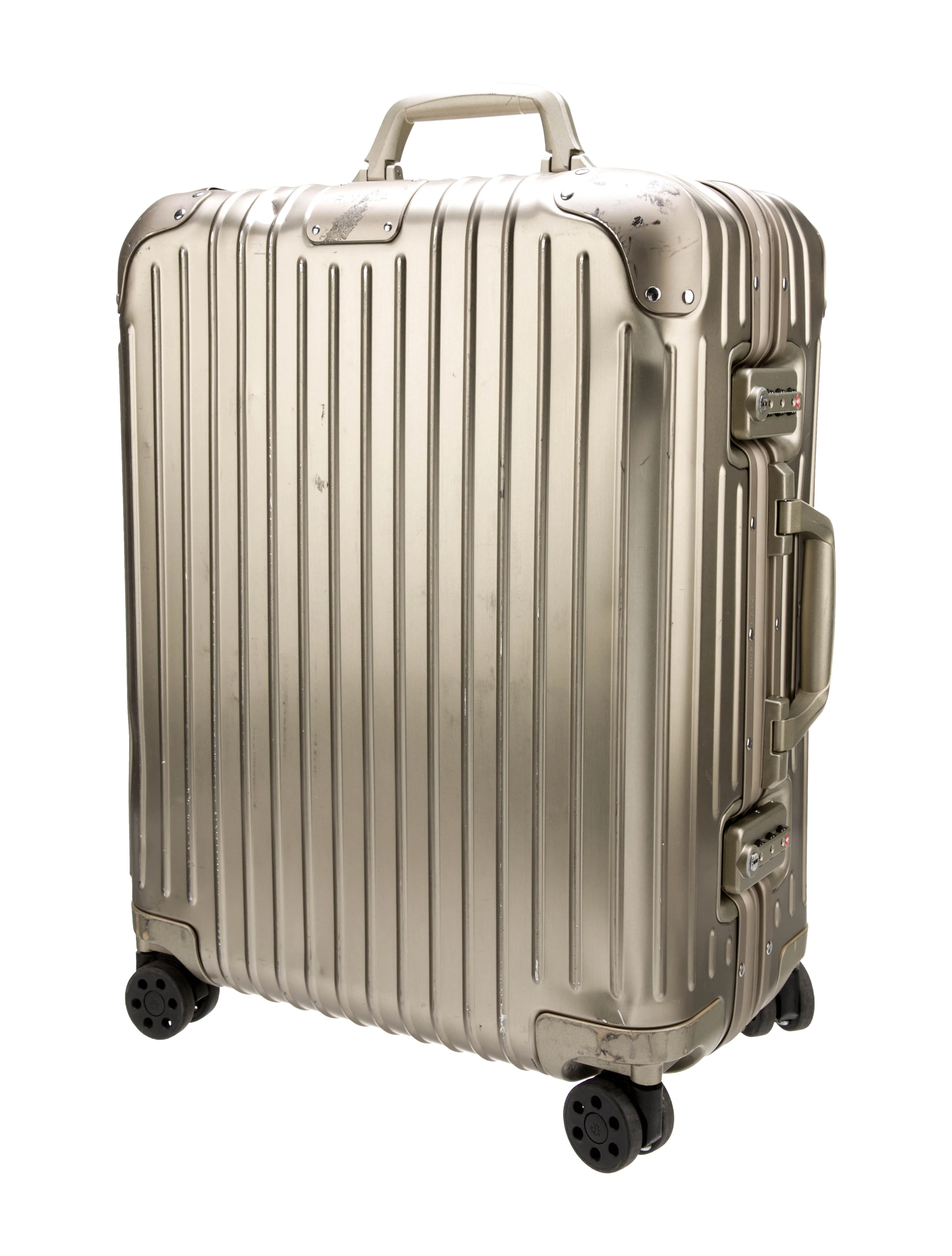
Aluminum cases (Rimowa's Original line is the reference point) dent instead of cracking, and for most owners that dent record becomes part of the bag's appeal — every mark is a flight, not a flaw. The tradeoff is weight: aluminum shells add real ounces before you've packed a single shirt.
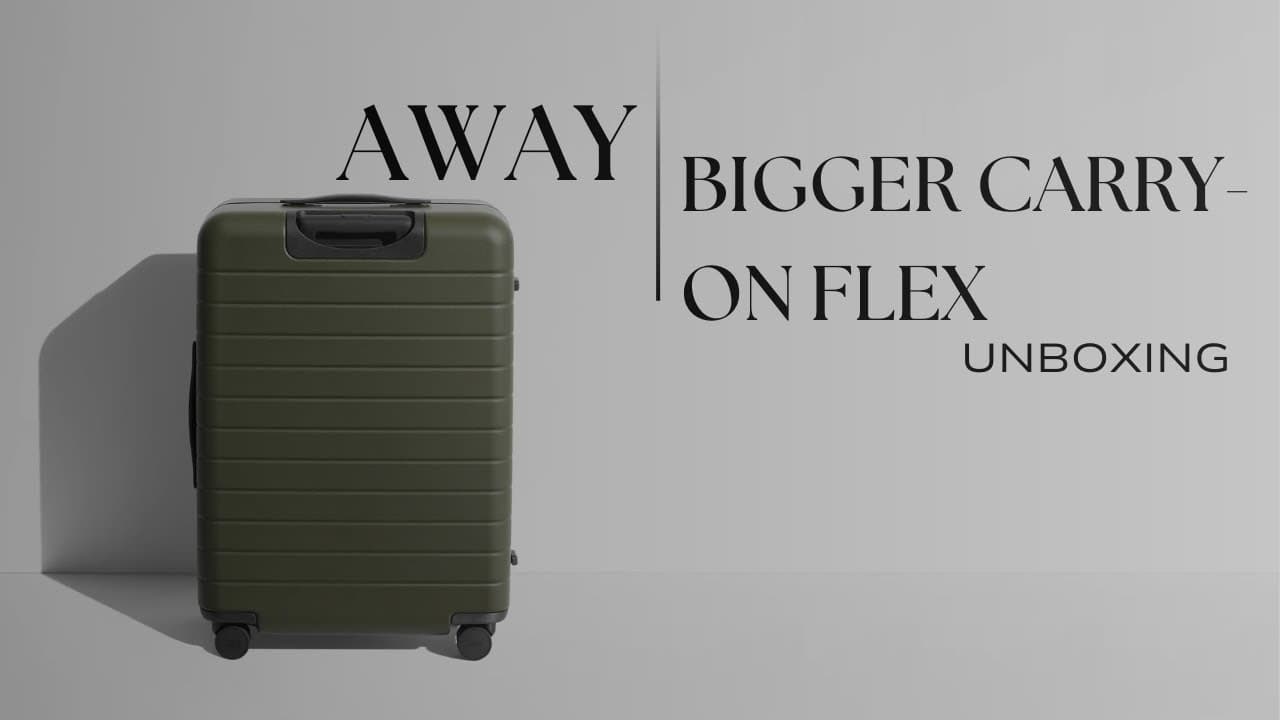
Polycarbonate shells flex on impact and return to shape, which means fewer visible marks but a small risk of hairline stress cracks after years of hard use. For most frequent flyers, a quality polycarbonate case (Away, Monos, Briggs & Riley) is the better daily driver — lighter, quieter on tile floors, and less precious to bang around.
The wheel test nobody runs
Four-wheel spinners are easier to maneuver through a jet bridge, but they're also the first thing to fail — a single cracked caster can mean dragging a case sideways through an entire connection. Before buying, check whether replacement wheels are sold separately; the best brands (Rimowa, Briggs & Riley) sell wheel kits, which tells you they expect wheels to eventually wear out and plan for it.
Two-wheel cases are more durable in the long run and better on cobblestones or unpaved ground, but noticeably harder to control one-handed in a crowded terminal. If your trips are mostly airport-to-hotel, spinners win. If you're regularly on uneven ground, don't dismiss a well-built two-wheeler.
Sizing for the sizer, not the spec sheet
Manufacturer dimensions are measured without wheels or handles, and airlines increasingly measure with them. A case listed as 'carry-on compliant' can still fail a strict sizer at the gate on a full regional flight. When in doubt, size down — a slightly smaller bag you never get gate-checked beats a maximum-size bag you fight over twice a month.
Mentioned in This Guide
Luggage
RimowaOriginal Cabin Carry-On Luggage
High-grade anodised aluminium shell, stage-free telescopic handle, and ball-bearing Multiwheel system engineered in Germany.
Luggage
AwayThe Bigger Carry-On Flex Suitcase
Lightweight polycarbonate shell with 2.25 inches of zippered expansion, interior compression system, and 360-degree whisper spinner wheels.